All,
I previously posted this in the Tube Tour thread, but it is important info and I'll post it here as well:
I also want to mention something to all LIO DHT PRE owners:Regarding tube pins and tube sockets, it is very important to make sure you are getting a good connection.
I have found DHT tubes have some level variation in the diameter of the tube pins (even from batch to batch of
the same tube... it's not *that* uncommon it seems).
So if you use a tube with a larger pin diameter, it can stretch the tube socket pins to accommodate the tube pin.
However,
when you go back to use a tube with pin(s) of a smaller diameter, the connection might not be as good as it was previously
due to the stretched out socket pin.
No problem - here is what you do about it:
The Yammamoto Teflon UX4 tube sockets used in the DHT PRE have female pins with a slit in the middle, and
this allows you to push the two halves of the socket pin together (closing the diameter of the female socket and making
a better connection with the tube pin). See:
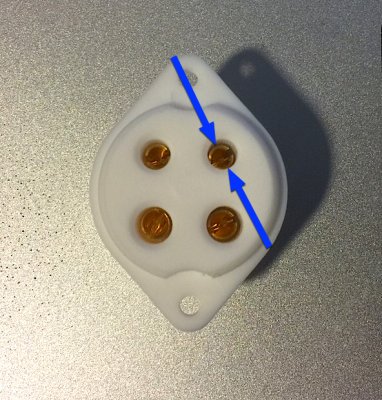
If you use a very small flat head screwdriver (e.g. google "jewlers screwdriver," or "eyeglass screwdriver"), you can
easily tighten them up if/as needed. Just be careful as you do each socket pin.
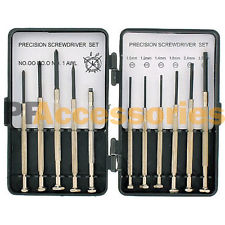
- Does this need to be done often?
Not necessarily, but if you are getting an intermittent connection (could be noise, popping, crackling, or any noise that was not there before) with a particular tube, doing what I mention above will take care of it.
It's good to do this if you are tube rolling often, and as I mention in the DHT PRE Owner's Manual, you want to make sure the pins of the tubes that you install are
clean *before* installing them! This is especially important with NOS tubes that might have dirt and oxidation on them. And you want to make sure your tube socket pins are also clean and free of dust and other contaminants.
A clean, secure connection is going to provide best results (best sound, lowest noise).
This adjusting of the socket pins and cleaning them and the tube pins are all part of "normal maintenance" that goes along with tube rolling. If you confirm a tight connection and don't tube roll often, you probably won't need to do this that often (if ever).
I hope this tip helps!
Vinnie

